Insights
Saffron is the most expensive spice in the world — and that makes it the most faked. Estimates suggest that a significant portion of saffron sold globally is adulterated, mislabelled, or outright counterfeit. Dyed corn silk, shredded coconut fibre, coloured paper threads, safflower petals — all of these have been found masquerading as real saffron in markets around the world, including Turkey.
If you've ever bought saffron that smelled of nothing, coloured your rice an unnatural orange, or dissolved too quickly in water — you were probably holding a fake. This guide teaches you exactly how to tell the difference, so you never waste money on imitation again.
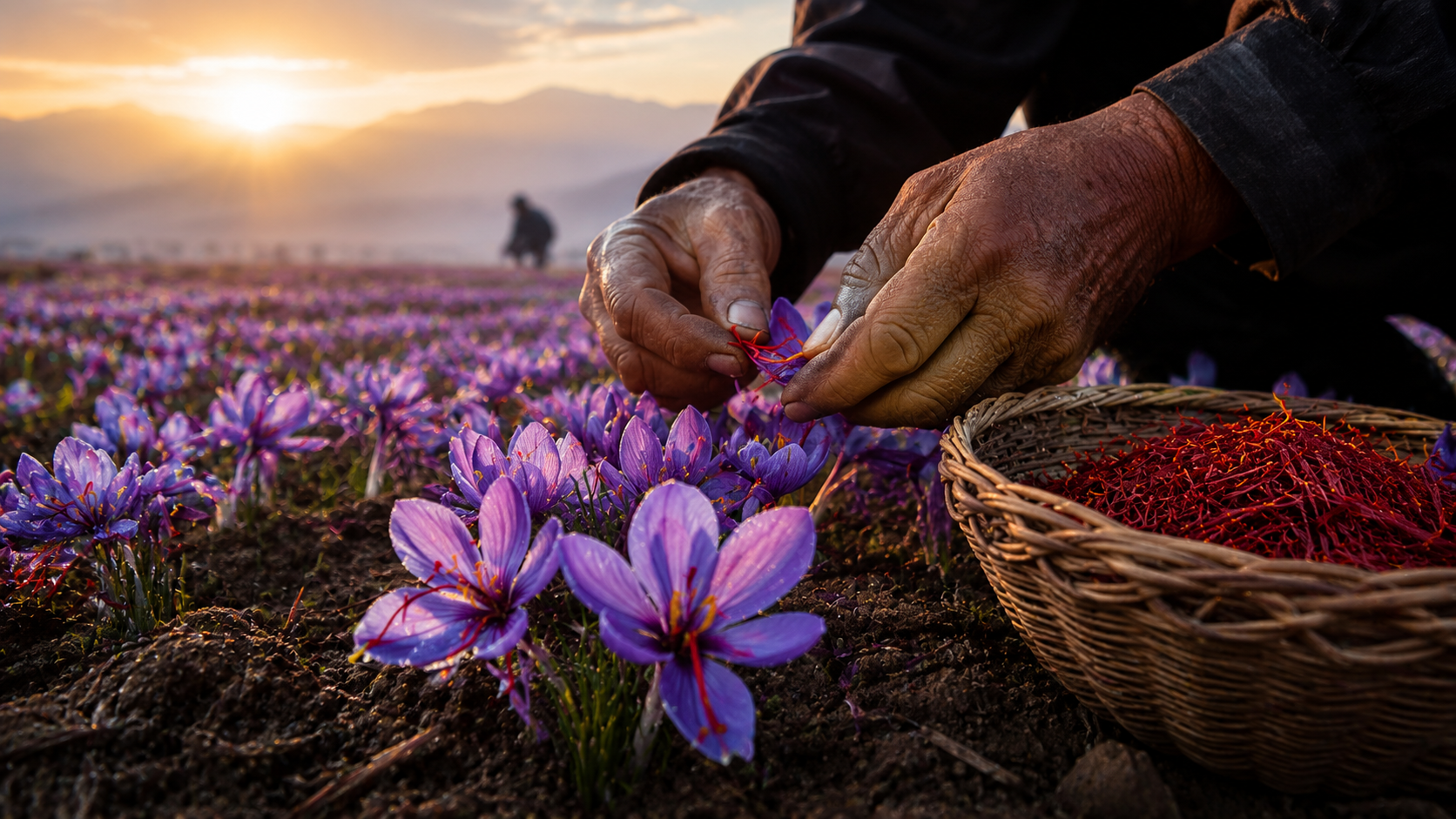
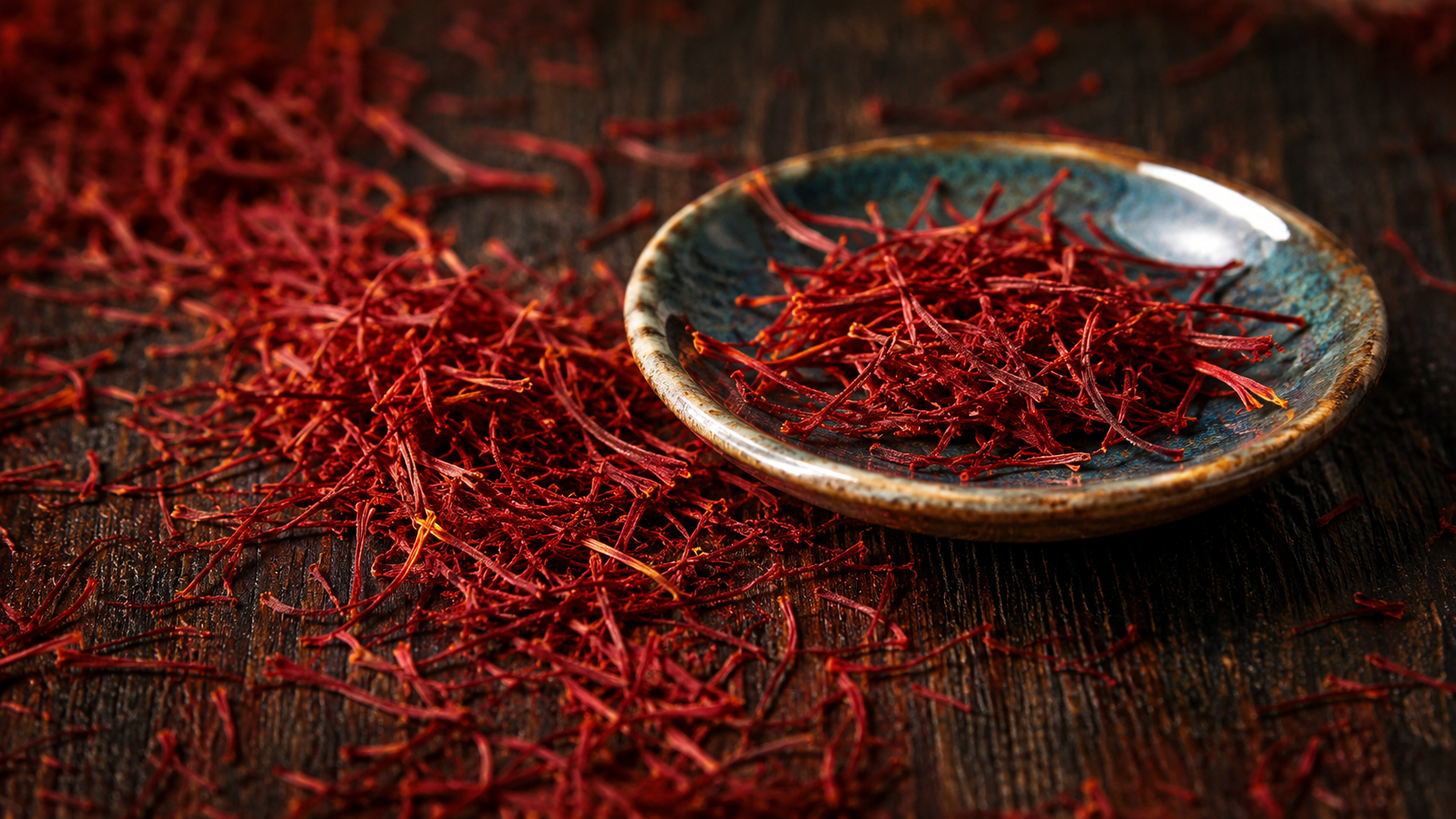
Real saffron is the dried stigma of the Crocus sativus flower — the deep red, thread-like strands at the centre of a purple bloom. Each flower produces exactly three stigmas, each one hand-picked. It takes roughly 150,000 flowers to produce a single kilogram of saffron. This is why it costs what it costs.
Iran produces over 90% of the world's saffron, primarily from the Khorasan region. The dry continental climate, specific soil composition, and centuries of cultivation expertise produce saffron with crocin levels — the compound responsible for colour — and safranal content — responsible for aroma — that is unmatched anywhere else on earth.
Why Khorasan, Iran?
The Khorasan region has been cultivating saffron for over 3,000 years. High altitude, cold winters, dry summers, and mineral-rich soil produce a saffron with crocin levels far above the ISO minimum standard — giving it deeper colour, stronger aroma, and longer shelf life than saffron from any other origin.
The water test — most reliable
Drop a few threads into cold water and wait 10–15 minutes. Real saffron releases colour slowly — starting golden-yellow and gradually deepening. Fake saffron releases colour immediately (it's dye, not natural pigment) turning an unnatural red or orange within seconds. The threads themselves should stay red even after releasing colour. If they turn white or yellow — fake.
The smell test
Real saffron has a complex, unmistakable aroma — floral-honey with a slight metallic or earthy edge. Strong, lingering, and distinctive. Fake saffron smells of nothing, simple hay, or has an artificial chemical note. Crush a thread between your fingers and smell nothing interesting — red flag.
The shape & texture test
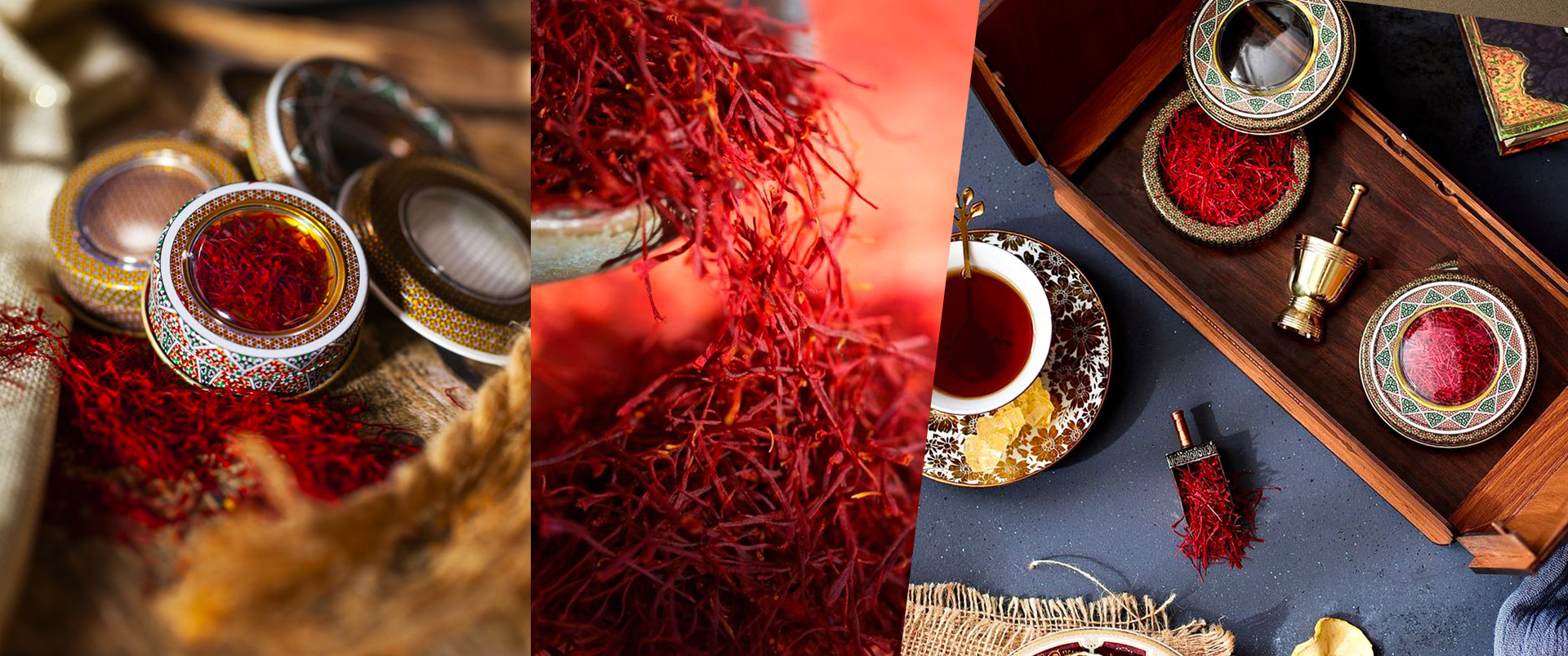
A genuine saffron thread is trumpet-shaped at one end — slightly wider with a small notch at the tip. It feels dry and slightly brittle, not soft or flexible. Fake threads made from corn silk or plant fibres are uniform and tube-like throughout, with no trumpet shape at all.
The colour test
Real saffron threads are deep red to dark burgundy — never bright orange. The very tip may be slightly lighter or yellowish, which is actually a sign of authenticity. Uniform bright orange-red all the way through means likely dyed. Powdered saffron that is bright orange rather than deep golden-red is almost always adulterated.
The taste test
Place a thread on your tongue. Real saffron tastes slightly bitter with a complex floral-earthy finish — never sweet. If it tastes sweet, it's been coated with sugar or honey to add weight (a common adulteration trick). Tasteless means fake. Bitterness is authenticity.
The price test
Genuine saffron cannot be cheap. If you see saffron priced at a fraction of what you'd expect — that is your first and clearest warning sign. A suspiciously low price is almost always a guarantee of adulteration or mislabelling. The math of producing real saffron simply doesn't allow for bargain prices.
| Test | Real Iranian Saffron | Fake / Adulterated |
|---|---|---|
| Water colour release | Slow golden-yellow, 10–15 min | Immediate red/orange burst |
| Thread after soaking | Stays deep red/dark | Turns white, pale or dissolves |
| Aroma | Strong floral-honey, metallic edge | Faint, hay-like or chemical |
| Shape | Trumpet-shaped tip, dry & brittle | Uniform tube, soft or flexible |
| Taste | Slightly bitter, complex floral | Sweet, tasteless, or chemical |
| Thread colour | Deep burgundy, tip slightly lighter | Uniform bright orange throughout |
| Price | Reflects true cost of production | Suspiciously cheap |
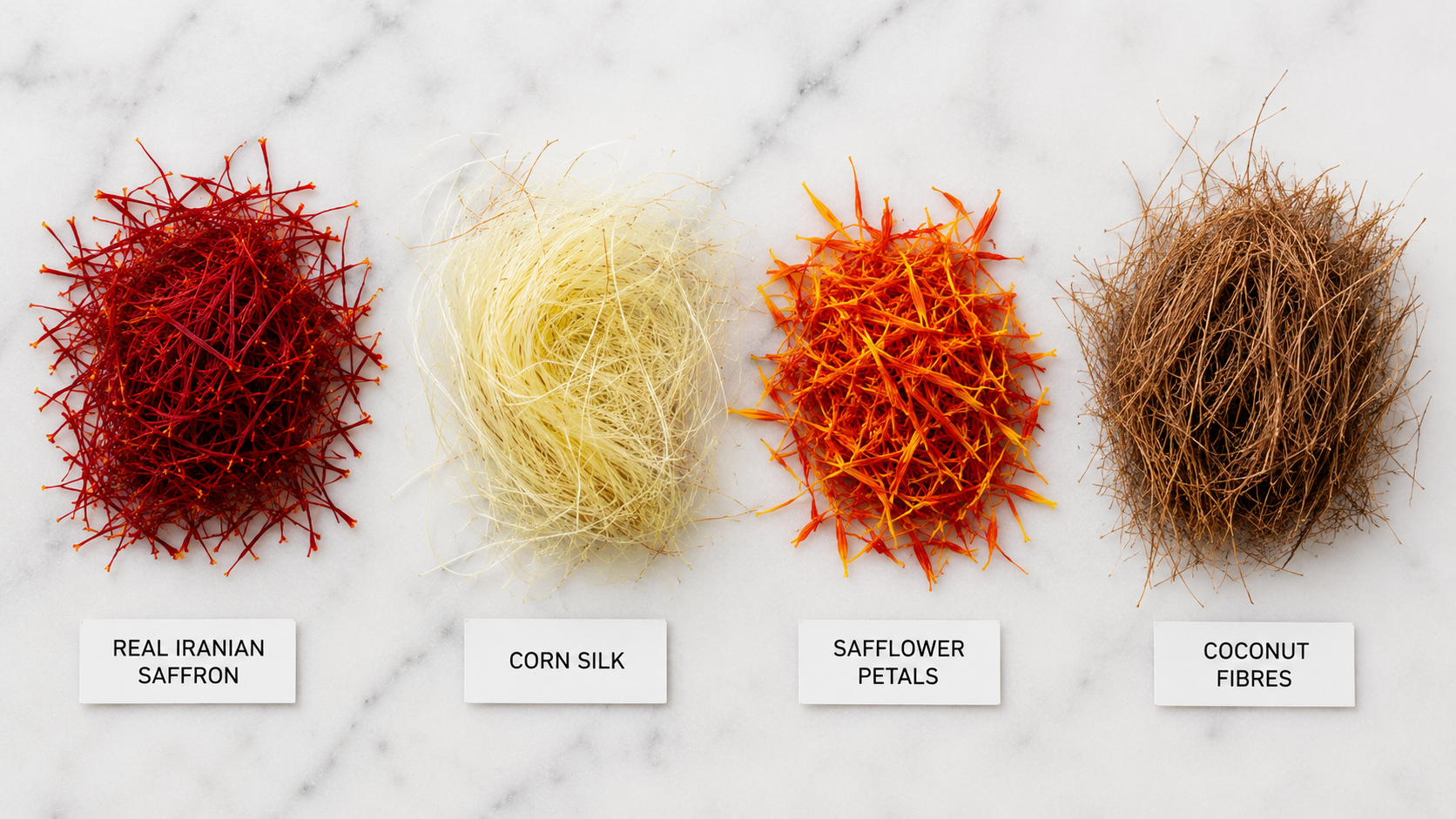
Counterfeiters are creative. Here are the most common materials used to fake saffron — knowing them helps you identify imitations on sight:
Dyed corn silk
The most common fake. Corn silk threads are dyed red and sold as saffron. They look superficially similar but are softer, have no trumpet shape, and release colour instantly. The water test catches this immediately.
Safflower petals (false saffron)
Sometimes called "poor man's saffron." Orange-red petals with no meaningful aroma or flavour, producing a weaker, more orange colour. Often blended with real saffron to dilute it invisibly.
Dyed coconut fibres
Shredded and dyed coconut husk fibres are very hard to distinguish visually from saffron threads. The water and smell tests are your best tools — they have no aroma and release colour immediately.
Weight-adulterated real saffron
Perhaps the sneakiest: real saffron threads soaked in oil, honey, or sugar water to add weight (saffron is priced by gram). The taste test catches this — sweetness where there should be bitterness is the telltale sign.
Never buy powdered saffron from unknown sources. Powder is almost impossible to verify and the easiest form to adulterate. If you want ground saffron, buy threads from a trusted source and grind them yourself with a pinch of sugar using a mortar and pestle.
Once you have real saffron, storing it correctly is just as important as buying it correctly. Saffron is sensitive to light, moisture, and heat — all three rapidly degrade its colour, aroma, and potency.
| Factor | What to do | What to avoid |
|---|---|---|
| Light | Dark glass or metal container | Clear plastic bags, open jars |
| Moisture | Completely dry, airtight seal | Humid kitchens, near the hob |
| Temperature | Cool dark cupboard or fridge | Near the oven or in direct sunlight |
| Container | Airtight tin or dark glass jar | Paper bags, loose wrapping |
| Shelf life | Up to 2–3 years if stored correctly | Loses potency fast if exposed to air |
"A gram of real Iranian saffron, stored correctly, will flavour and colour dozens of dishes. Treated with care, it is one of the most cost-effective luxuries in your kitchen."
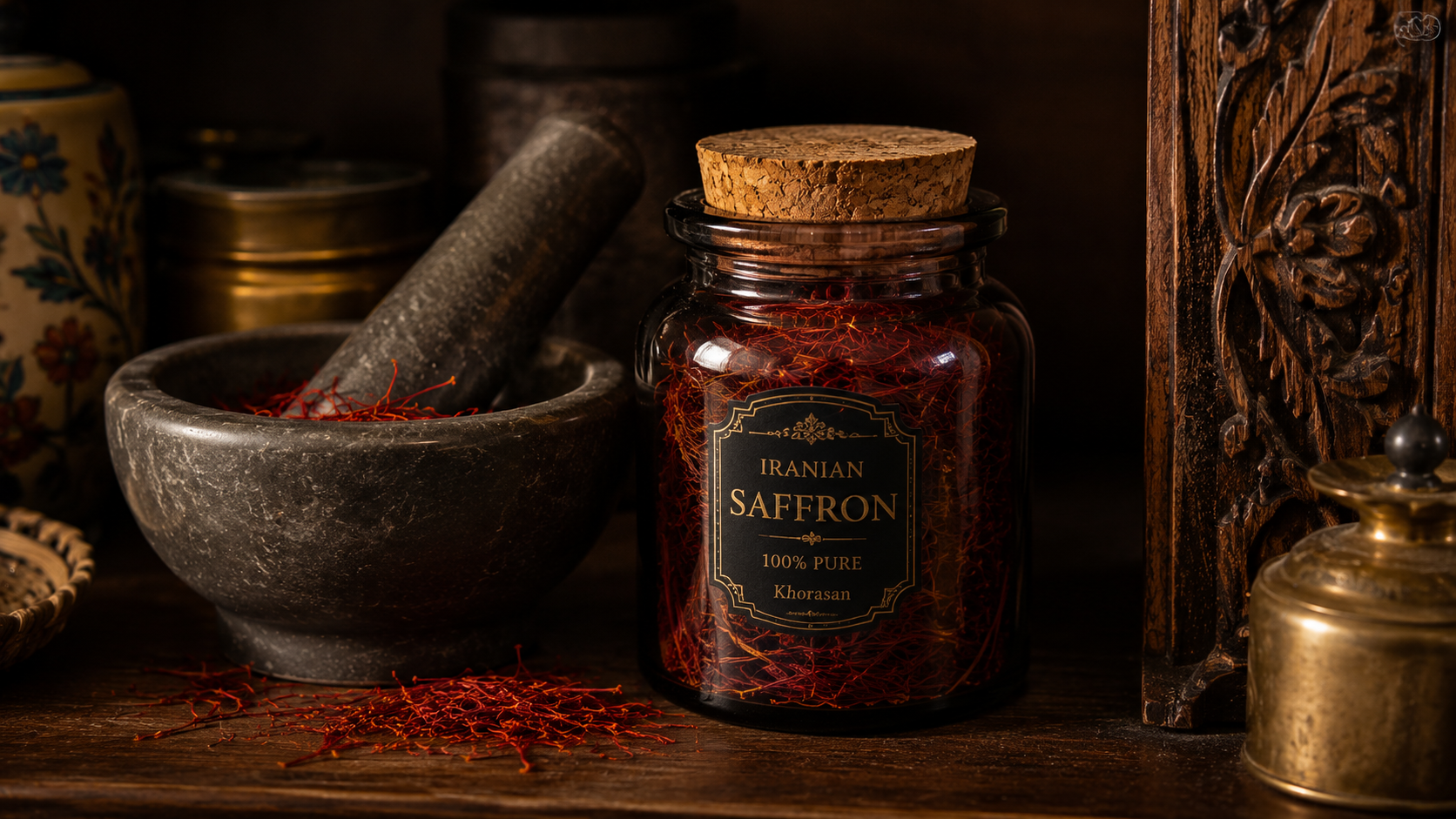
The safest way to buy saffron is from a source with a direct, traceable relationship with Iranian producers — not from a market stall, a random online seller, or a supermarket shelf where provenance is impossible to verify.
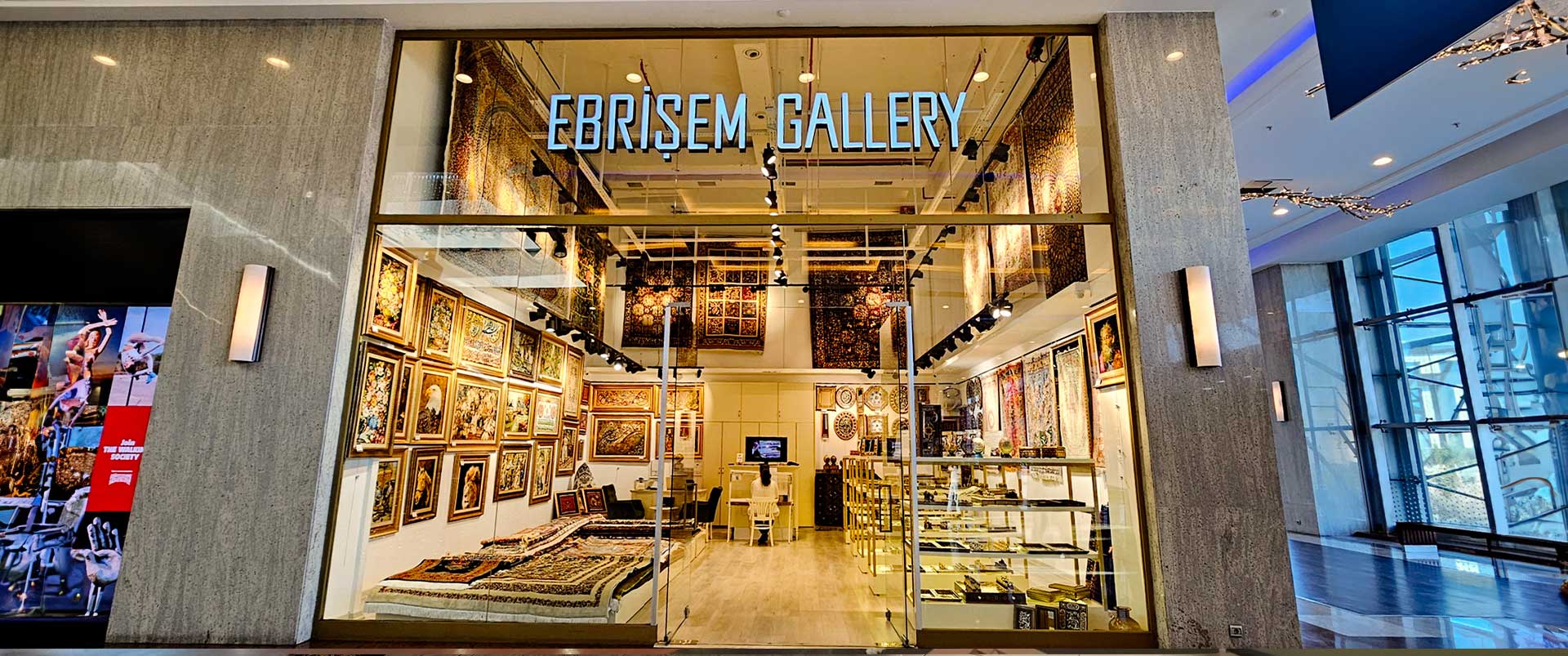
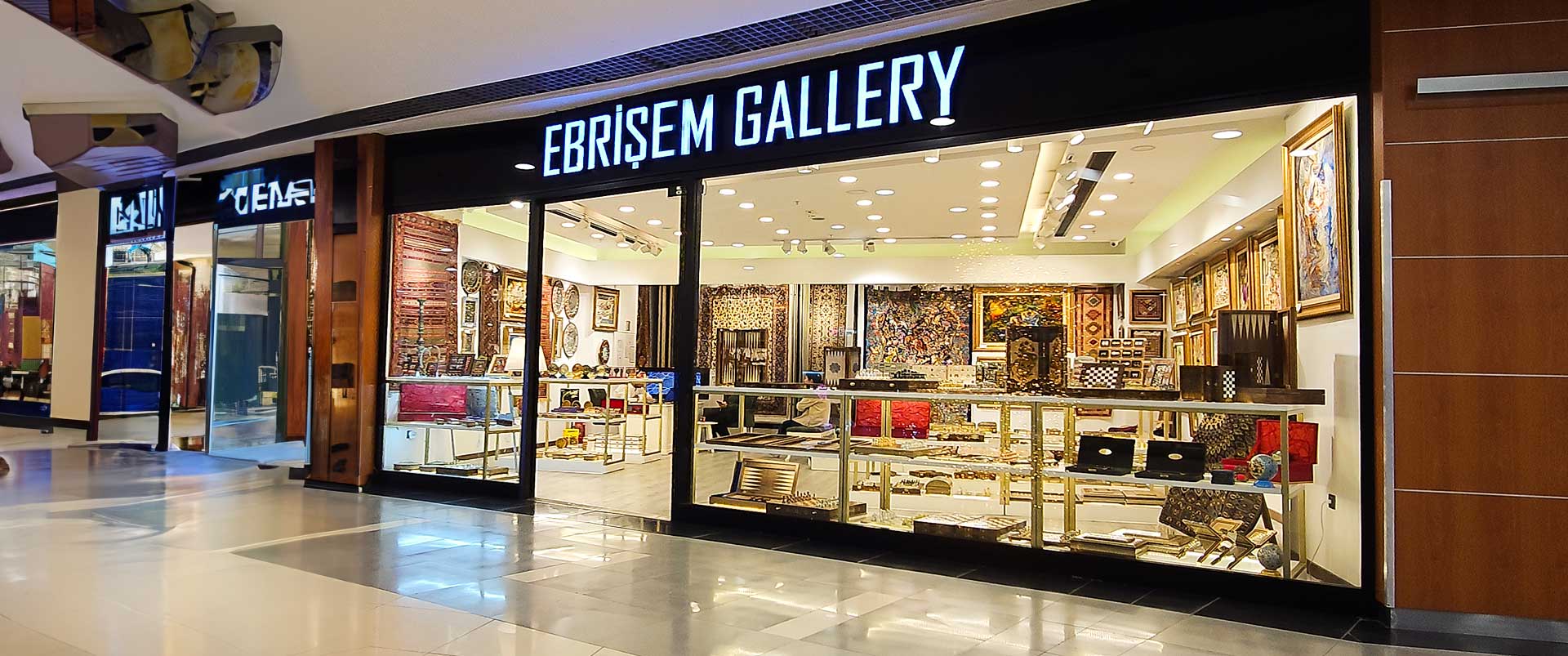
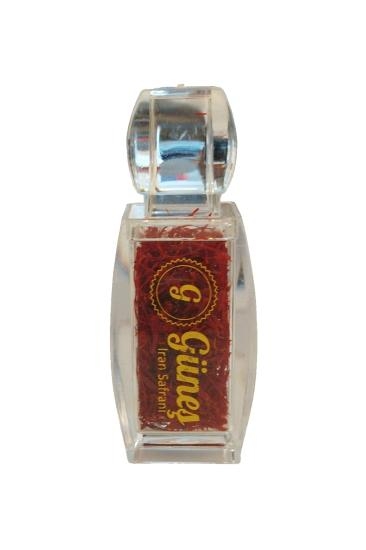
At Ebrişem Gallery we source our saffron directly from Khorasan, Iran — the same region that has produced the world's finest saffron for millennia. We sell it in sealed, clearly labelled packaging with full origin information. The same care and authenticity we bring to our Persian carpets and Khatam handicrafts, we bring to everything we carry.
If you're in Ankara, come and see us at Panora AVM or 365 AVM. We're happy to show you the difference between real and fake saffron in person — it takes about 30 seconds and you'll never be fooled again.
Taste the real thing — original Iranian saffron, direct from Khorasan.








 EN
EN Türkçe