Handicrafts & Art
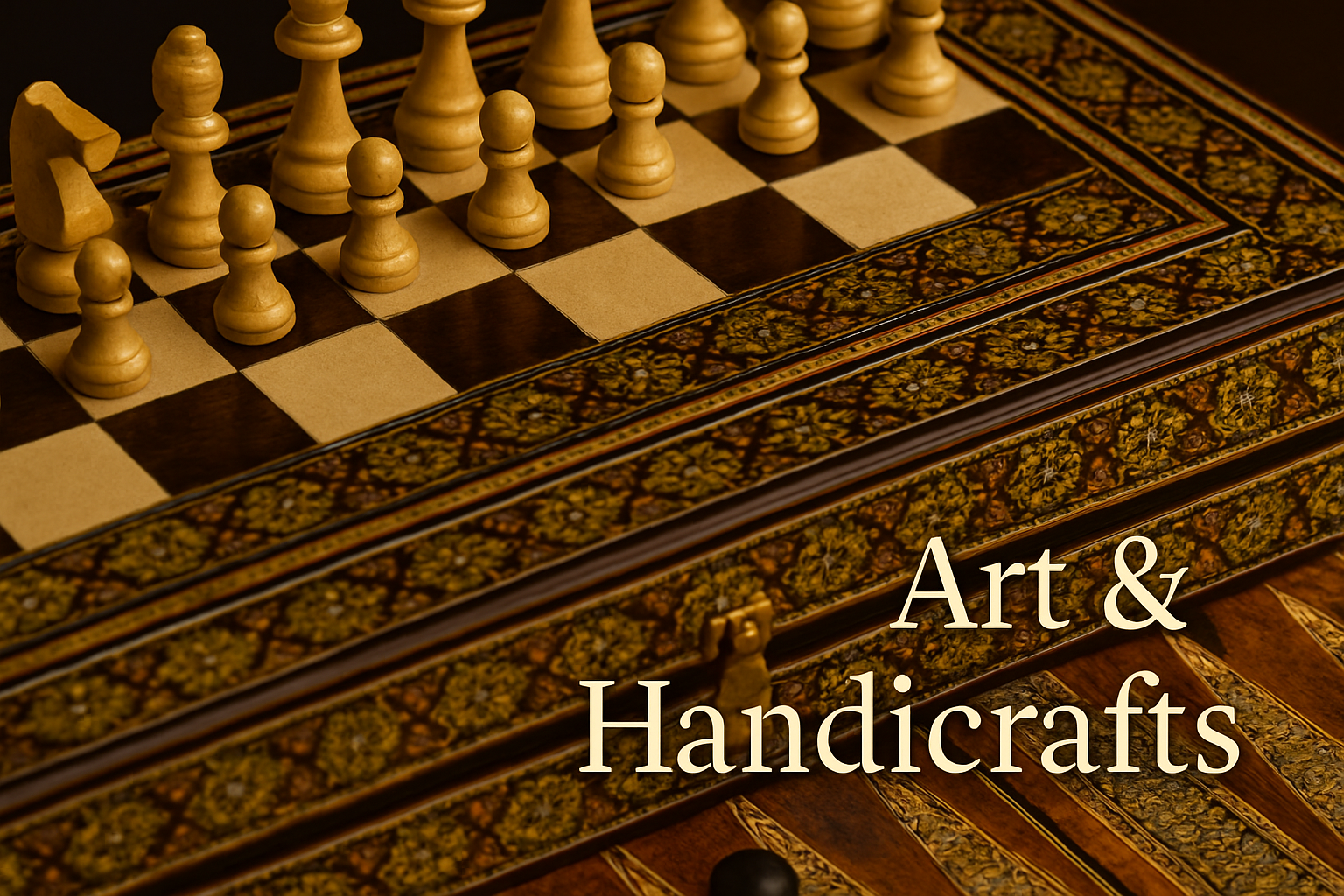
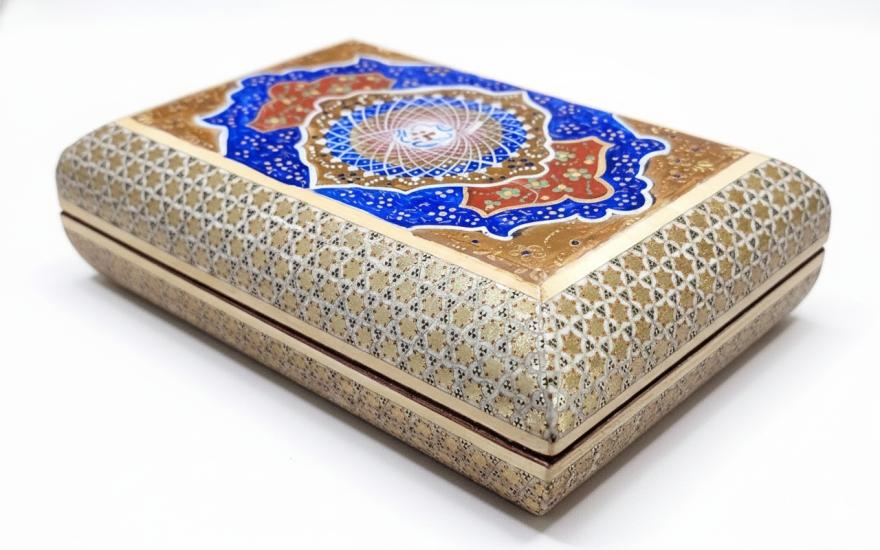
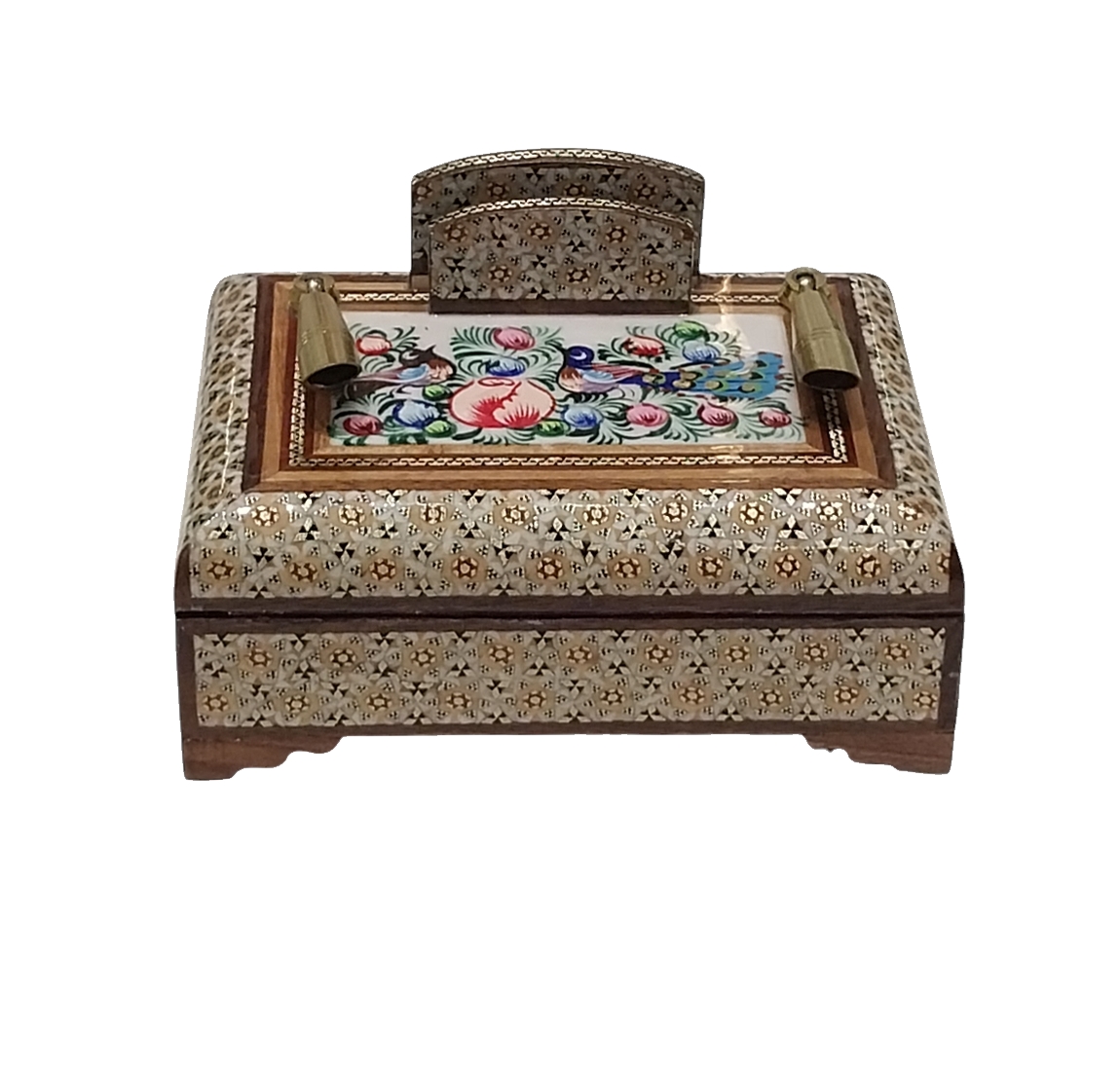
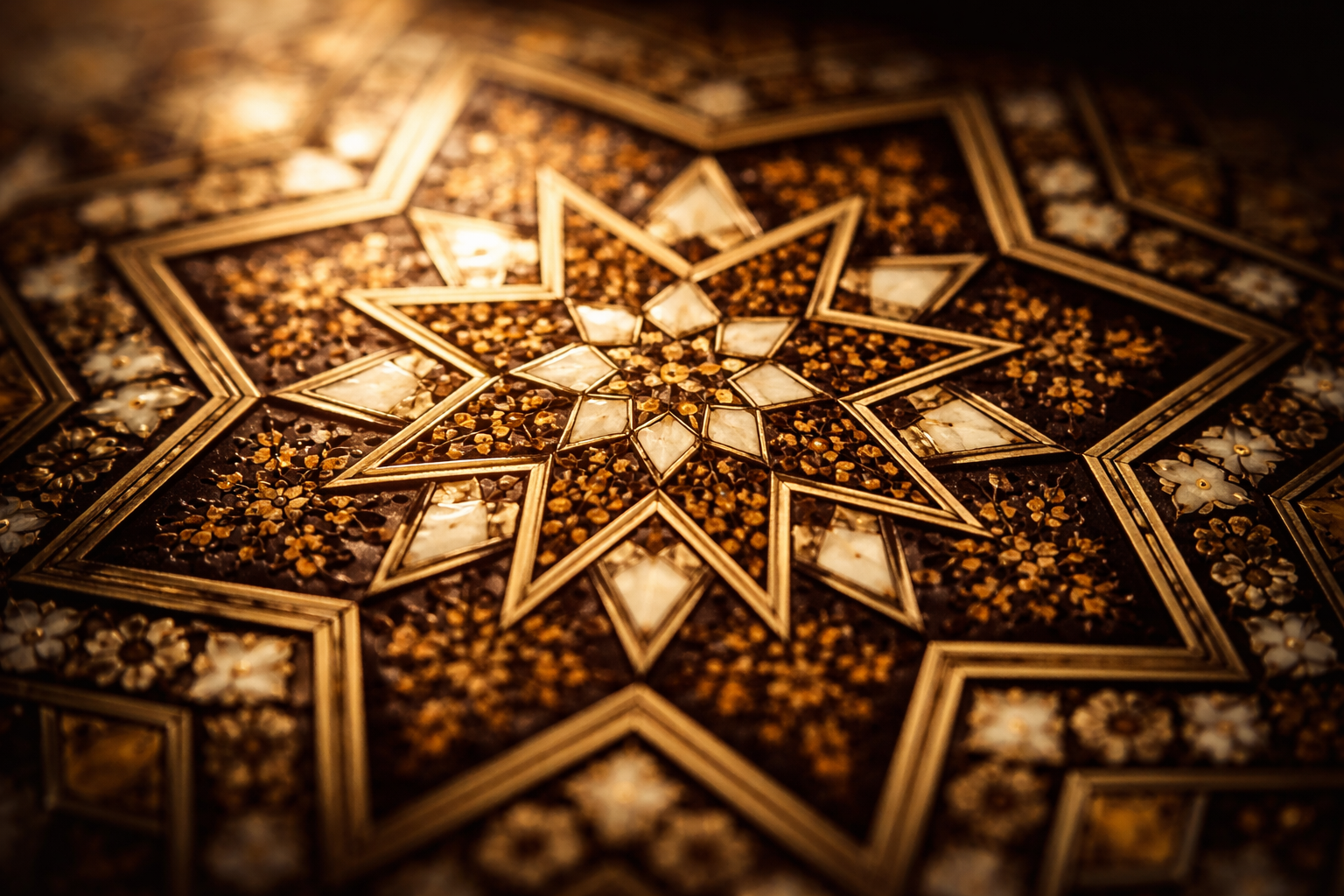
Khatam (خاتم) is the ancient Iranian art of inlay — the meticulous process of decorating wooden objects with tiny pieces of wood, bone, brass, and shell arranged into geometric mosaic patterns. The name comes from the Arabic root meaning "to seal" or "to finish," which is fitting: a completed Khatam surface is a kind of final, perfect statement.
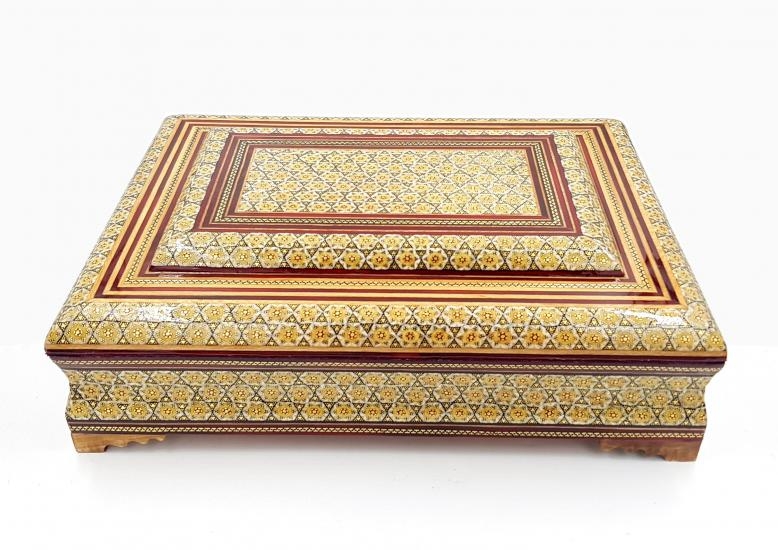
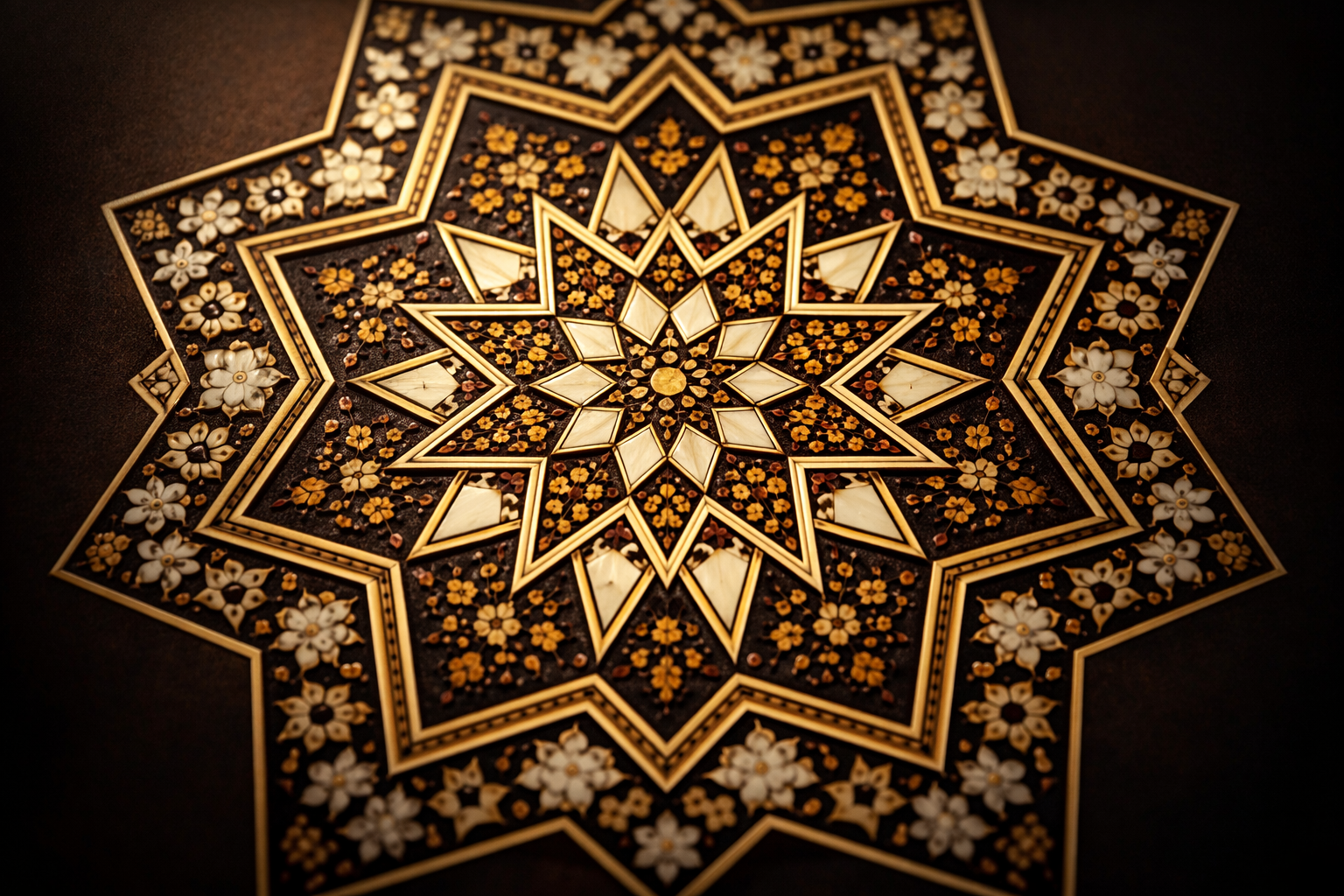
The most iconic Khatam pattern is the six-pointed star, formed from slivers of material so small that a single square centimetre can contain dozens of individual pieces. When you step back, these micro-shapes resolve into hypnotic fields of geometry — stars within stars, spirals, and latticework — all without a single brushstroke of paint.
Khatam has been practised in Iran for at least four centuries, with its roots in the Safavid dynasty (1501–1736) — a golden age of Persian art and architecture. The cities of Isfahan and Shiraz became the heartlands of the tradition, and royal workshops produced Khatam-decorated thrones, Quran boxes, mirror frames, and musical instruments for the Shah's court.
"Gifting a Khatam Quran box was not just a generous gesture — it was a statement about the value you placed on knowledge and beauty."
During the Safavid era, the complexity and quality of a piece was a direct expression of status and devotion. The craft survived empires, revolutions, and the rise of industrial manufacturing — carried forward generation by generation by families who chose patience over speed.
Preparing the rods
The artist cuts thin rods of different materials — wood (walnut, orange), bone, and brass wire — then files each rod into the exact triangular or hexagonal cross-section needed for the pattern.
Building the bundle
Rods are arranged by hand into the intended pattern and glued together into a thick cylindrical bundle. At this stage it looks like nothing — just a dense block. The magic is hidden inside.
The reveal
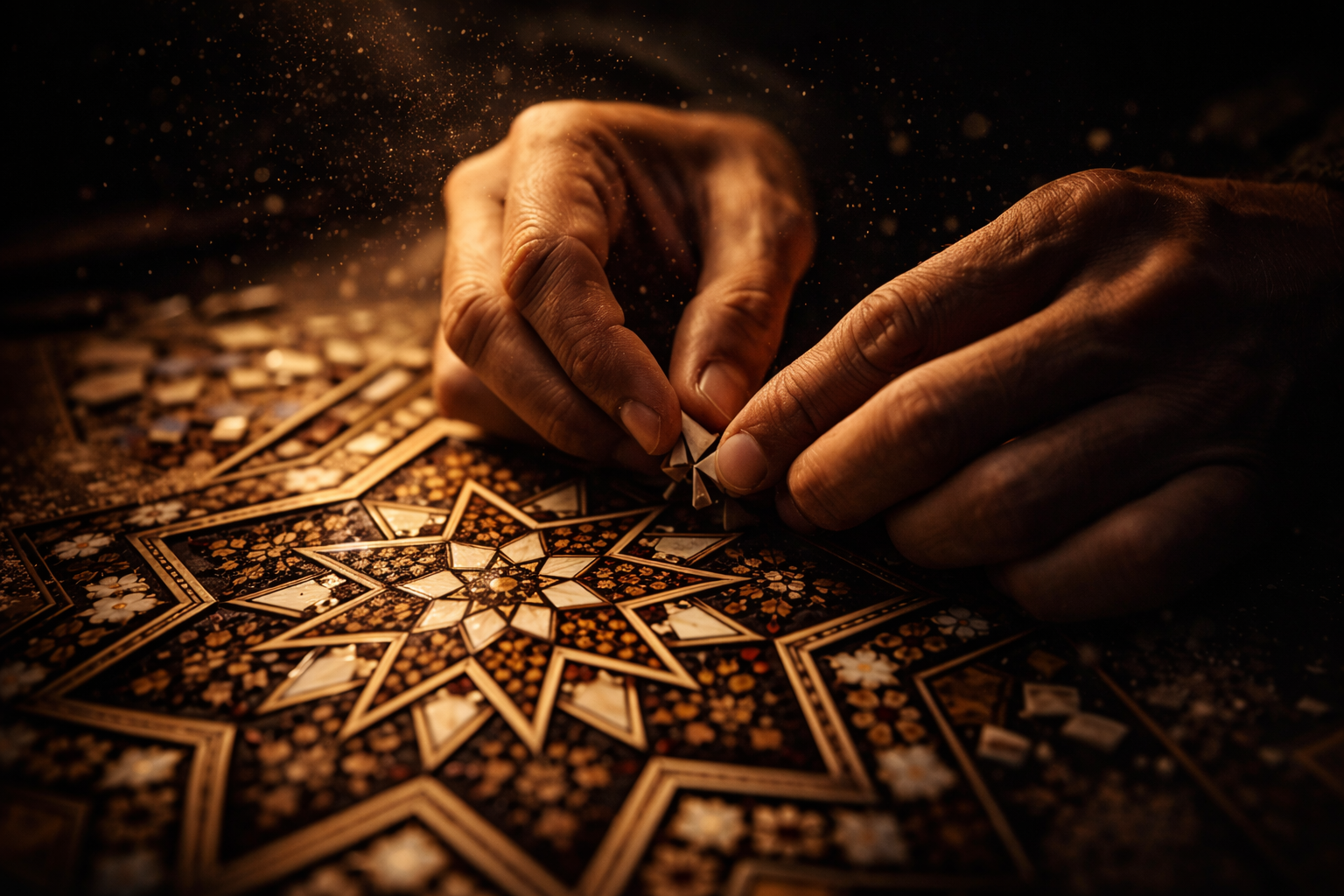
The bundle is sliced crosswise into paper-thin sections. Each slice is a complete, perfect repeat of the geometric pattern. Thousands of hours of preparation, revealed in a single cut.
Applying to the surface
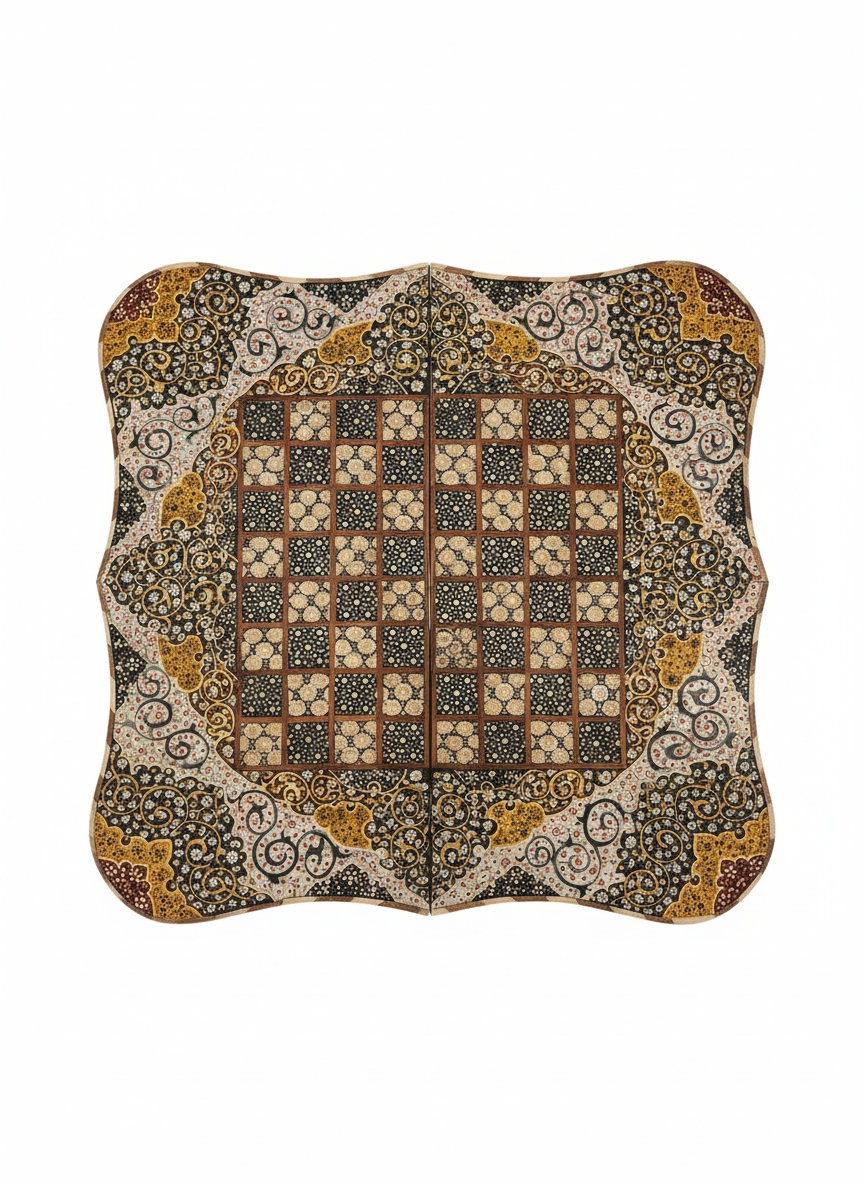
The thin slices are carefully pressed and glued onto the wooden base object — a box, a frame, a chess board — and trimmed to fit every edge and curve.
Finishing
Multiple coats of lacquer seal and protect the surface, giving Khatam its characteristic warm lustre. A medium-sized backgammon board can take an experienced artisan several weeks to complete.
Not all Khatam is equal. Mass-produced imitations flood the market — but fine, authentic work is unmistakable once you know what to look for.
| What to check | Authentic Khatam | Imitation |
|---|---|---|
| Pattern density | Stars almost impossibly small | Large, loose pieces |
| Materials | Real bone, brass & wood | Plastic & painted resin |
| Join sharpness | Crisp, gapless borders | Blurry or gapped |
| Base object | Solid, well-jointed wood | Thin MDF or plywood |
| Finish | Warm, deep lacquer lustre | Flat or plastic sheen |
Under close inspection, the borders between colours and materials in a genuine piece should be crisp and precise — not blurry or gapped. The finest traditional work uses rods so thin that the stars become almost impossibly small, creating a visual richness that imitations simply cannot replicate.
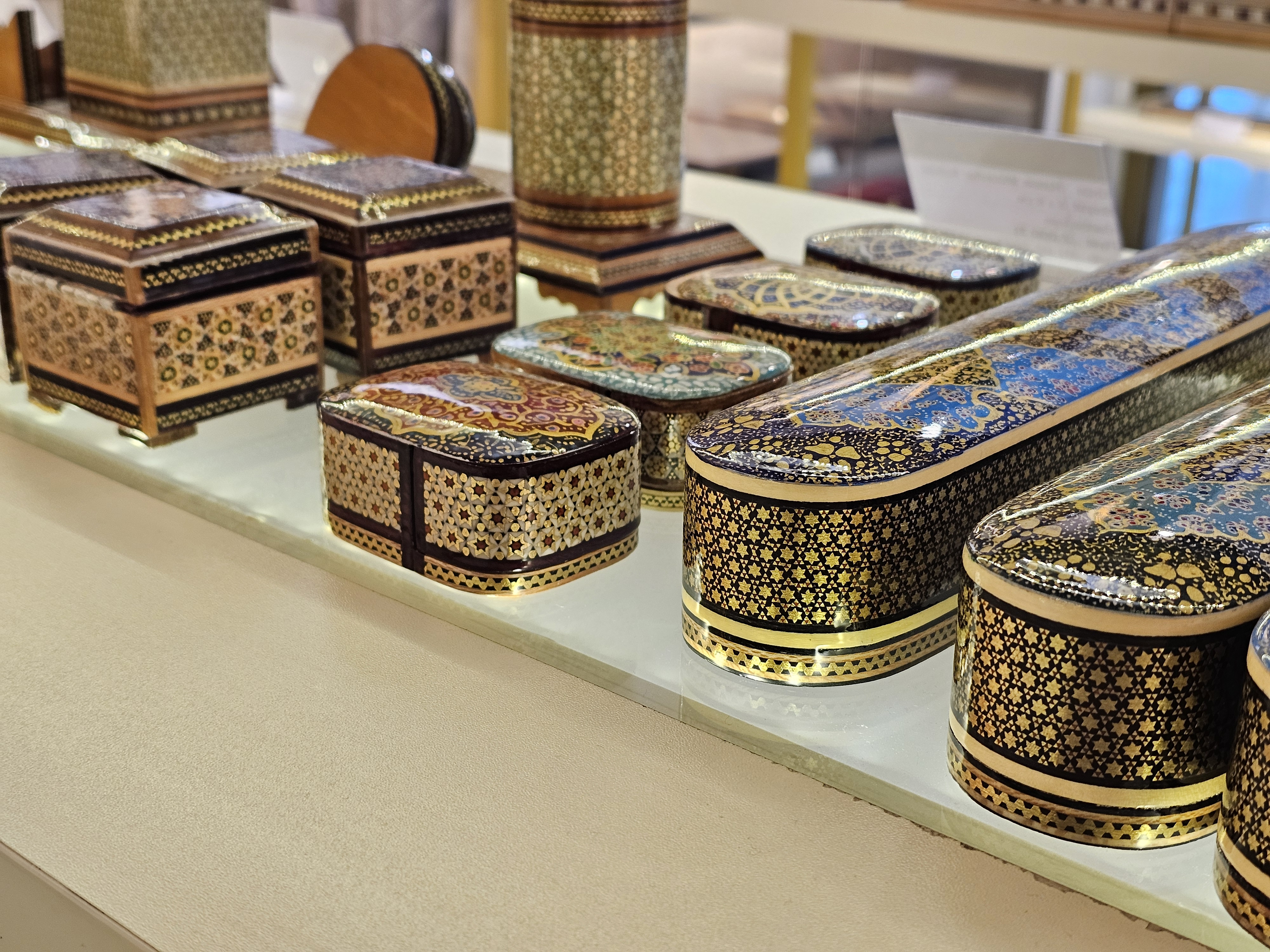
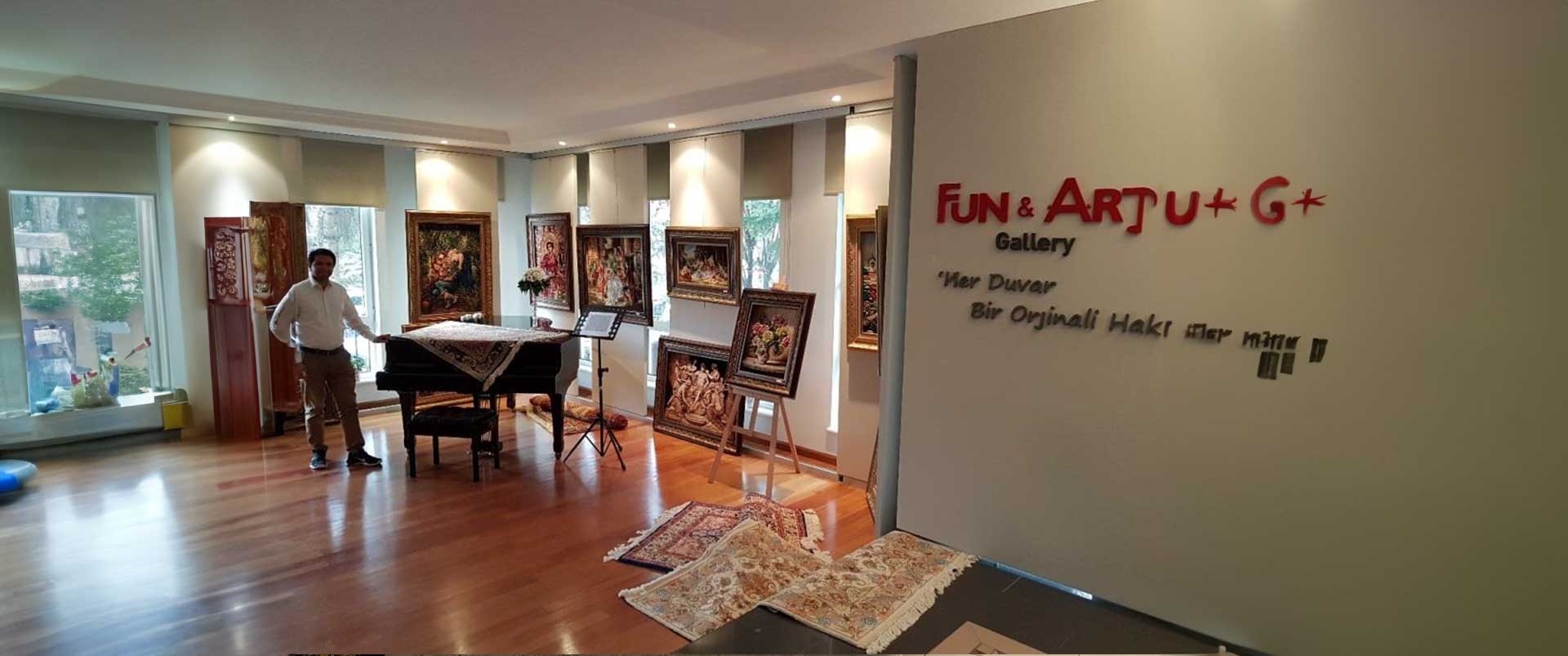
Like many traditional crafts, Khatam faces pressure from cheap machine-made imitations. But in Iran, and through galleries like Ebrişem, the tradition is kept alive by artisans who have learned the craft from their parents and grandparents — carrying forward a living link to Safavid-era workshops.
When you hold a Khatam piece — really hold it, turn it in the light, run a finger across the surface — you are touching something that required an extraordinary level of human patience and skill. No algorithm designed it. No machine assembled it. Every tiny star was placed by someone who chose this craft as their life's work. That is not something you find easily in the modern world.
Discover Khatam — and take a piece of Persian art home.








 EN
EN Türkçe